


Dragon Boat Festival? Not Quite. The Deeper Meaning Behind Duanwu.

Updated: Jun 27

竞舟之外:端午何以传千年
Every year on the fifth day of the fifth lunar month, our Western friends ask: “How are you celebrating the Dragon Boat Festival this year?” What they don’t realize is that the real name of this festival is Duanwu. Translating it as "Dragon Boat Festival" is where the misunderstanding begins.
每年到了五月初五,西方朋友常常问我们:“你们今年龙舟节怎么过?”但他们不知道,这个节日真正的名字是端午节。把“Duanwu”翻译成“Dragon Boat Festival”,误解就从这里开始了。
What Does “Duanwu” Actually Mean?
为什么叫“端午”?
“Duan” means “upright” or “beginning,” and “Wu” refers to the fifth Earthly Branch—linked with midday and the fifth lunar month. Together, Duanwu signifies the most auspicious, balanced time of the year, when yang energy peaks. As the Book of Changes(IChing) says, “The flying dragon is in the sky.” This is not just poetry—it reflects an ancient cosmology in tune with celestial rhythms.
“端”是“正”的意思,“午”是“中”。所以“端午”意味着天地最中正、最吉祥的时刻——五月午日的正午。《易经·乾卦》说“五爻,飞龙在天”,古人把这个节日称为“飞龙在天”的吉日,象征阳气极盛、龙腾飞天。

The Culture of Dragons Is Not Just About Boat Races
龙的文化,并非“龙舟”而已
While dragon boat races are lively and fun, they are just one expression of a much older tradition—rituals dedicated to dragon spirits and celestial forces. In ancient times, the seven Dragon stars ( Cānglóng Qī Xiù) rose in the southern sky during midsummer, symbolizing “flying dragons in heaven.” The festival was a time to honor the cosmos, pray for health, and dispel disease—long before Qu Yuan’s story was added centuries later.
赛龙舟确实热闹,但它只是“祭龙文化”的一个演变。端午的真正源头,是远古人类对天象的敬畏——在仲夏时节,东方苍龙七宿升至正南,这是“飞龙在天”的天象。祭龙祈福、驱疫安康,这才是端午节的本义。后来屈原投江的故事被附会上来,但历史学家早已指出,端午节在屈原之前就已经存在。
Where Yin Begins: May’s Dampness and the Wisdom of Self-Care
阴阳之交:五月的湿气与保养智慧
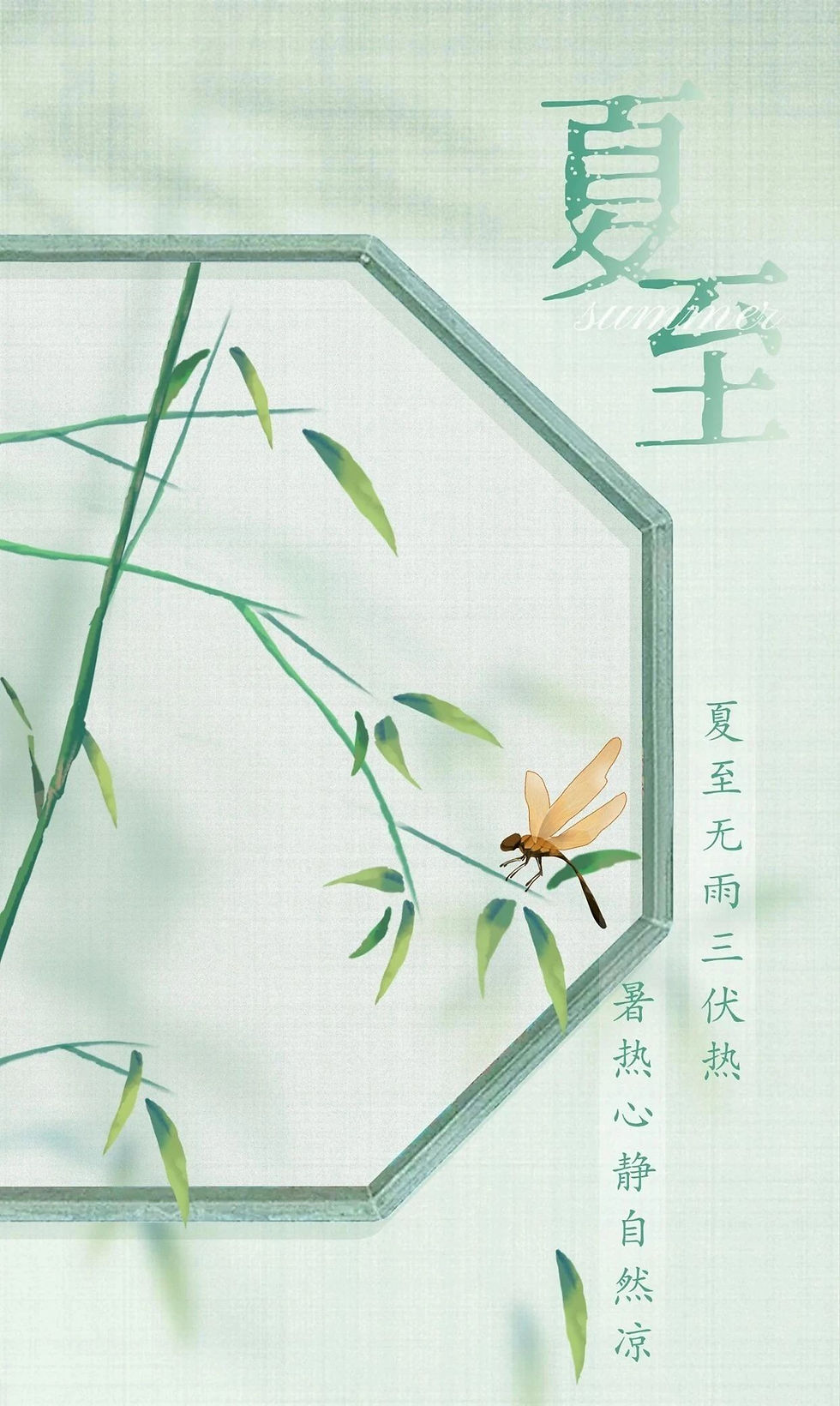
In the lunar May, as solar terms like Grain in Ear and Summer Solstice pass, the Earth becomes steamy, and humidity rises. People feel sluggish, drowsy, heavy-headed. It’s not a cold—it’s the onset of summer dampness (shu shi), especially in southern China’s “plum rain” season. These are perfect conditions for bacterial growth—and illness.
农历五月,节气芒种、夏至,天地交合、湿气升腾。此时湿重、热蒸,人体如同泡在热水池里,头昏脑涨、睡意沉沉。这不是感冒,而是“暑湿”在作祟,尤其是长江流域的梅雨时节,湿气弥漫,是疾病滋生的温床。
Folk Customs of Duanwu: Not Superstition, but Ancient Science
端午民俗:不是迷信,而是民间智慧
Placing calamus and mugwort on doorways, drinking realgar wine, eating garlic, setting off firecrackers—these Duanwu customs may seem like superstition today, but they were actually early forms of hygiene and health protection. Realgar is antimicrobial, mugwort repels insects, and firecrackers clear energy fields. Ancient people called it “driving out demons”—what they really meant was: fighting infection.
插菖蒲、挂艾草、喝雄黄酒、吃大蒜、放鞭炮——这些看似“迷信”的端午习俗,其实都是在杀菌防疫。雄黄能消炎、艾草能驱虫、鞭炮声能净场。古人不讲原理,只说“辟邪赶鬼”,其实就是杀菌消毒的智慧体现。

Conclusion: Rethinking Duanwu
结语:重新认识端午
Duanwu is not just about dragon boats. It embodies the Chinese philosophy of harmony between Heaven and humanity. Aligning with nature, nurturing the body, and guarding against disease—this is the heart of the festival. So this year, take a quiet moment. Enjoy a zongzi. Sip some realgar wine. And feel the ancient blessings flow through you.
端午不是只有龙舟那么简单,它是中华文化中“天人合一”的智慧体现。顺应自然、调养身心、避疫安康,才是这个节日千百年来的核心精神。今天,我们不妨静下心来,吃一口粽子,喝一杯雄黄酒,体会这古老节日中蕴藏的深意与祝福。
IAK Culture Association Switzerland
瑞士亚洲文化兴趣协会
“West meets East, ancient meets modern.观古今之通变,述中西之精要“

-------------------------------------------------------------------------------
Continue Reading 继续阅读
This article is part of the IAK Digital Archive, an ongoing collection dedicated to classical wisdom, cultural heritage, and contemporary reflection. Through the study of Eastern and Western traditions, we seek to build bridges between past and present, knowledge and practice, self-cultivation and modern life.
For more articles, thematic series, and member-exclusive resources, please visit:
本文为 IAK 数字馆藏系列内容之一。数字馆藏致力于整理、研究与分享古今智慧、文化传承与当代思考,通过经典阅读与跨文化对话,连接过去与未来,连接知识与实践,连接个人成长与现代生活。
更多文章、专题系列及馆藏内容,欢迎访问:
Preserve memory for the past. Leave kindling for the future.
为过去保留记忆,为未来留下火种。


Comments